
Youth-led digital transformation of health systems
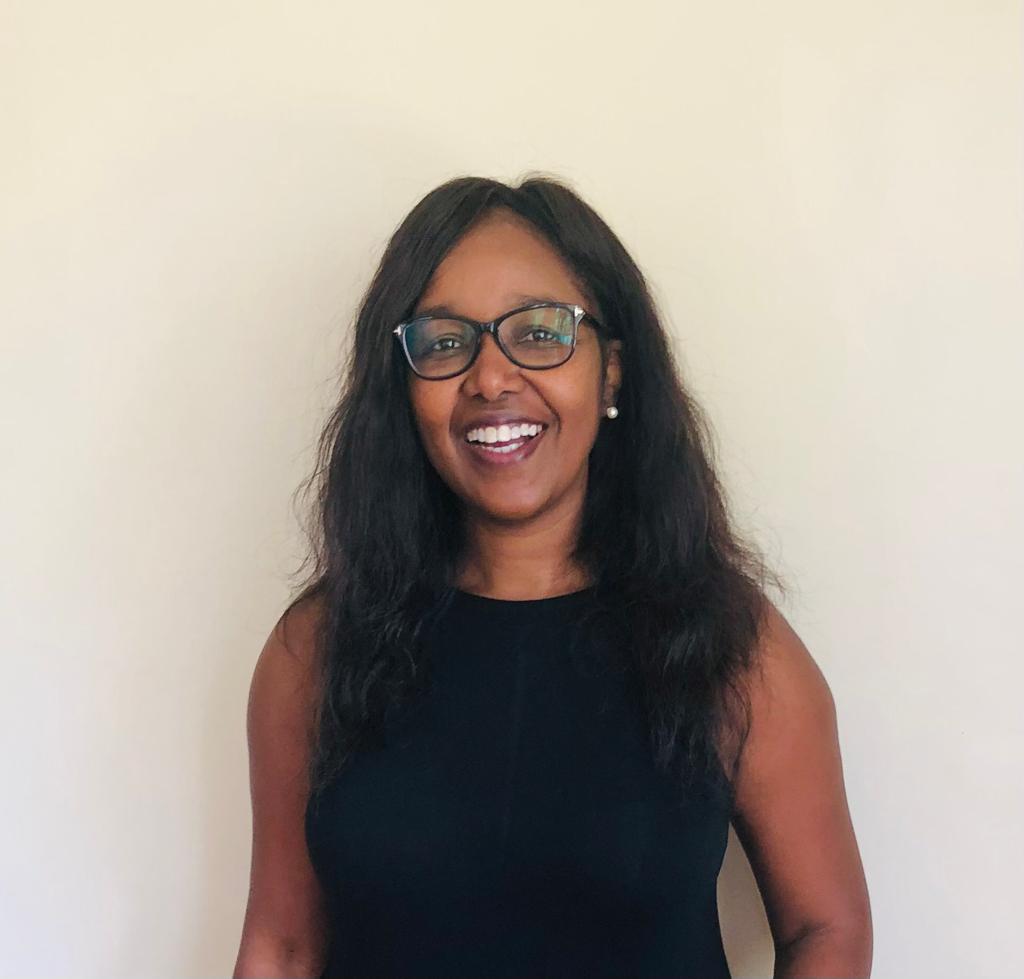
CAROLINE MBINDYO, SAM MWANGI and ALICE KAMPENGELE FOR years now, the global technology community has touted Africa as the next frontier for growth, with tech hubs in Nairobi, Lagos, Cairo, and Cape Town attracting Silicon Valley investors and developing home-grown innovations. With a ready market for digital technologies created by the ubiquity of the mobile phone, investment in internet connectivity, and Africa’s young, educated and tech-savvy population, the continent should be championing digital transformation of health systems. Africa faces a formidable task in eradicating endemic diseases such as malaria, tuberculosis and HIV alongside the growing burden of non-communicable diseases on the continent, which is higher than the global average. With only 1.55 doctors per 1,000 people, according to World Health Organisation, digital health may offer most efficient means of scaling access to quality health services. While digital technologies are not a panacea for Africa’s relatively weak health systems, innovation in digital health can address high financial costs of delivering health care and increase the number of people in contact with the formal health system. These technologies may offer a more efficient approach to responding to challenges of overburdened health workers and high burden of disease on the continent. Technologies such as the internet of things and virtual care, for example, can bring doctors into patients’ homes, cutting transport costs, reducing the need for referrals to major hospitals and the number of consultations needed. Tele-health can also support self management of care so that patient care is not solely reliant on health professionals. E pharmacy would allow patients to receive their medications at home, cutting the need to travel to multiple pharmacies to fulfil prescriptions. This has been particularly beneficial for individuals in rural or remote areas who would otherwise have limited access to health care services. Data captured during these digital health transactions can be stored and shared across the health ecosystem, creating a continuum of care to enhance health outcomes. This can be achieved by improving medical diagnosis, data riven treatment decisions, digital therapeutics, self-management of care, as well as creating more evidence-based knowledge. These factors are especially critical on a continent where more people have access to mobile phones than to clean water and basic sanitation. Digital health is no longer about leveraging digital tools in the health sector, but how we can transform health services in a digital world. Young Africans are not just consumers of these innovations, but also creators. They bring with them a unique perspective and understanding of digital technologies and their potential to revolutionise the health care industry. From solar-powered hearing aids to cloud-based hospitals, to improving access to mental health in Africa, creative start-ups across the continent are developing disruptive digital health solutions. However, increasing innovation in digital health and creating a ready market for these innovations is dependent on our ability to leverage Africa’s youth demographic dividend and narrow the digital and financing divide. The narrowing of digital and financing divide is between urban and rural youth, and between African youth and their counterparts from high-income countries. Digital technology has the power to fundamentally change health outcomes of the continent’s population. With an estimated 70 percent of its 1.2 billion population under the age of 30, Africa’s youth present an enormous opportunity for the continent to lead the way in digital health innovations. They are hungry to participate in re imagining health in Africa as innovators, leaders, and adopters of technology. However, despite the wide access to mobile connectivity, 60 percent of African adolescents are not connected to the internet, compared to four percent of those in Europe. Allowing this digital divide to persist perpetuates inequities that bar those who lack digital skills or access to the internet from harnessing opportunities in health, education, commerce, and beyond. With so much at stake, African youth need to take a front seat in the digital transformation of the continent and use their bargaining power to advocate for more resilient health systems. Africa is home to seven of the world’s fastest-growing economies. This makes the region a fertile ground for innovative market based solutions. Youth-led digital transformation of health systems has potential to drive and deliver universal health coverage to Africa. Moreover, the involvement of youth in development of health technologies leads to their increased participation in the health sector, creating opportunities for growth and innovation. Yet, despite this promising outlook, health innovators in Africa face numerous challenges in getting their innovations to scale. Some analysis suggests that local innovators in Africa are less likely to be funded despite annual growth in venture capital investments on the continent. There is an urgent need for governments and other duty bearers to act and make funding and financing mechanisms accessible to young African innovators, to include not just capital, but also investments in infrastructure, human capital, and science and technology. There is also need to build the right regulatory environment for piloting innovations and develop conducive policies related to regional cooperation and ease of doing business. Such investment would also address inequalities in health to ensure a more inclusive approach to the design and delivery of health care – one that considers the heterogeneous nature of the population and offers care that is responsive to the needs of communities and individuals. It is estimated that in just seven years, 40 percent of the world’s youth will be in Africa. Imagine what we could achieve if we empowered them to lead the continent’s digital health transformation. Conversations on driving youth led digital transformations in Africa will be front and centre at the Africa Health Agenda International Conference, which will take place from March 5 to 8 in Kigali, Rwanda. The authors are Caroline Mbindyo, Amref Health Innovations CEO; Sam Mwangi, Amref Health Africa head of digital transformation; and Alice Kampengele, Amref Health (Zambia) programme
Placing Women At The Centre Of Health Leadership In Africa Key To Achieving UHC

Author(s): Dr. Norah Obudho, Health Integration and East Africa Director, WomenLift Health; Dr. Florence Temu, Country Director, Amref Health Africa in Tanzania Over a decade ago, Pan African Parliament Women’s Conference President, Mavis Matladi of South Africa, declared that it was “more dangerous to be a woman than a soldier” in Africa. In that time much has changed, but at the same time, too much has remained the same. While women and girls now have more access to education and economic opportunities and are better represented in politics and other spheres of leadership, they remain the most vulnerable to impacts of disease outbreaks, fragile health systems, conflict, domestic abuse, economic instability, and climate change. African women and girls for example still account for about 66 percent of global maternal mortality rates and are twice as likely as boys to miss out on formal education. Additionally, approximately 63 percent of the world’s extremely poor women live in Sub-Saharan Africa, limiting their ability to access essential health services and pushing the continent further away from achieving its health targets. Much of this has been driven by sociocultural norms skewed towards enforcing patriarchal structures that have traditionally subdued women and denied them access to the same rights as men. The same structures have also perpetuated the gender inequities that keep women from attaining leadership positions, which are often assumed to be reserved for men despite the presence of numerous, qualified women on the continent. Consequently, decisions in health are frequently made without women’s input, even when the issues at hand directly affect them, as with maternal and reproductive health. While it would be unfair and simplistic to blame one gender for the loss of millions of lives due to infectious and non-communicable diseases, poor quality health services, and lack of access to essential care, there is a direct correlation between Africa’s health outcomes and its health leadership. Considering majority of positions in health leadership are occupied by men, and that nearly all decisions affecting the resilience and responsiveness of our health systems are made by men, one could then rightly say that Africa’s homogenous health leadership has been – and continues to be – a key determinant in the continent’s (in)ability to achieve health for all. Now, as we stand at the midway point of the Sustainable Development Goals 2030 target, it would benefit us to have candid conversations about leadership and the role it plays in either bringing us closer to the goals or taking us further away from them. The simple truth is that leadership that is not representative of the people it serves, be this across racial, gender, or socio-economic lines, will not and cannot address the challenges preventing us from ensuring the highest attainable level of health for all. We need to reimagine the face of health leadership if we are to rebuild our health systems and equip them to move towards and sustain universal health coverage (UHC). By placing the needs of women at the centre of health system design and delivery and elevating our voices in health, we can unlock gender equity at leadership level and add impetus to Africa’s journey towards UHC. In doing so, we would also allow women to not only be consumers of health services, but to be the leaders that our health systems need if they are to meet our needs and withstand future health shocks. This is not to discount the contribution of male leadership. It’s simply to say that there is need for balanced representation in leadership to include women and other minority groups. By excluding key groups in decision-making, we fail to benefit from the knowledge and wisdom provided by their lived experiences. For it is only those who feel the weight of the burdens they bear that can help create solutions to those burdens. Achieving health for all is within reach, but it requires a seismic shift in leadership to create and implement uniquely African solutions to the challenges we face on this continent. If more governments embrace the role of women and girls as leaders and bring them to decision-making tables, we can come closer to achieving UHC. Africa is ripe for this change. It is indeed exciting to see this agenda being driven by development leaders such as Amref Health Africa through their upcoming Africa Health Agenda International Conference, which will provide a platform for discussions on gender equity, health leadership, and the role of women in health. By strengthening male allyship, engaging women at all levels, and working together to promote inclusive leadership that considers the needs of the most vulnerable among us, we can achieve the goals that have for far too long eluded us. In accomplishing this we can make Africa a continent where women and girls do not simply try to survive, but where they thrive – in every sense of the word – alongside men and boys.