
Category: Updates

  • Women & Youth Take Centre Stage At AHAIC 2023 As Conference Comes To A Close
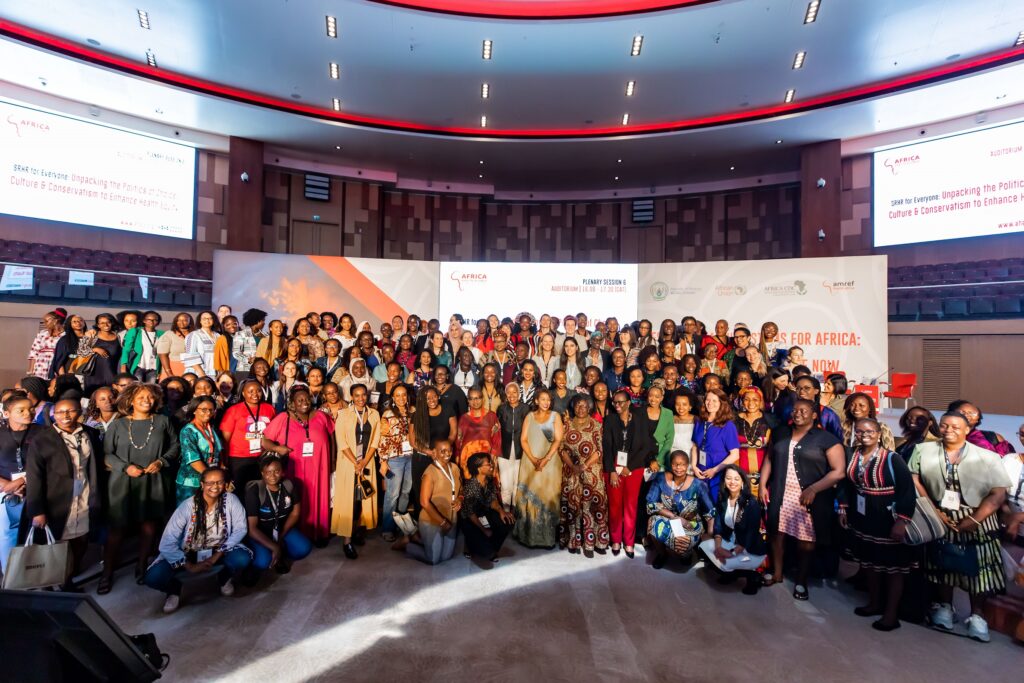
    Women & Youth Take Centre Stage At AHAIC 2023 As Conference Comes To A Close

    The Africa Health Agenda International Conference (AHAIC) 2023 came to a close on the International Women’s Day with a colorful celebration of African women driving change through their visionary leadership in the global health space.

    As stakeholders from all over the world marked the day with calls to #EmbraceEquity, delegates at the conference plugged into the global conversation by deliberating on key issues affecting health and wellbeing of women. These include enhanced sexual and reproductive health rights, the need for bodily autonomy and access to gender-responsive health systems, the power of investing in women-led health innovations, as well as the role of women in health and climate action.

    Click HERE to read the full highlights.

    Key Takeaways from Day 4:

    • Africa requires sustainable health systems that respond to the needs of entire communities, which can only be realised through innovation, collaboration and investments.
    • African countries must engage more diverse stakeholders in all aspects of programme design and implementation, leverage the social capital within communities and establish clear accountability frameworks to ensure we achieve the objectives of Universal Health Coverage.
    • To achieve global health goals, African nations must build and consistently invest in pro-UHC policies that provide a broader framework to address country-specific health needs.
    • It is imperative that civil society organisations collaborate to avoid duplication of efforts, wasted resources and disillusionment within communities. Civil society organisations also have a unique role to play in delivering health education within communities to support national efforts to strengthen primary health care.
    • Young people represent 60% of the continent’s population and are at the forefront of innovative solutions to address the planetary health crisis. Countries need to be intentional about building their capacity and including youth in all spaces of consultation and decision-making to ensure their experiences and expertise inform Africa’s response to current and future health and climate crises.

    The fourth and final day of the conference also saw five African women recognised for their outstanding contributions to improving and safeguarding the health and wellbeing of women, children and entire communities at the AHAIC 2023 Women in Global Health Awards.

    Congratulations once again to Dr. Sindi van Zyl – Physician, Radio DJ & Health Activist (posthumous award); Dr. Magda Robalo – President and co-founder, Institute for Global Health and Development; Dr. Senait Fisseha – Vice President of Global Programs, Susan Thompson Buffet Foundation; Dr. Lia Tadesse – Minister of Health, Federal Democratic Republic of Ethiopia, and Dr. Matshidiso Moeti – Regional Director, WHO AFRO.

  • AHAIC DAY 3: DEMANDING CLIMATE ACTION NOW!
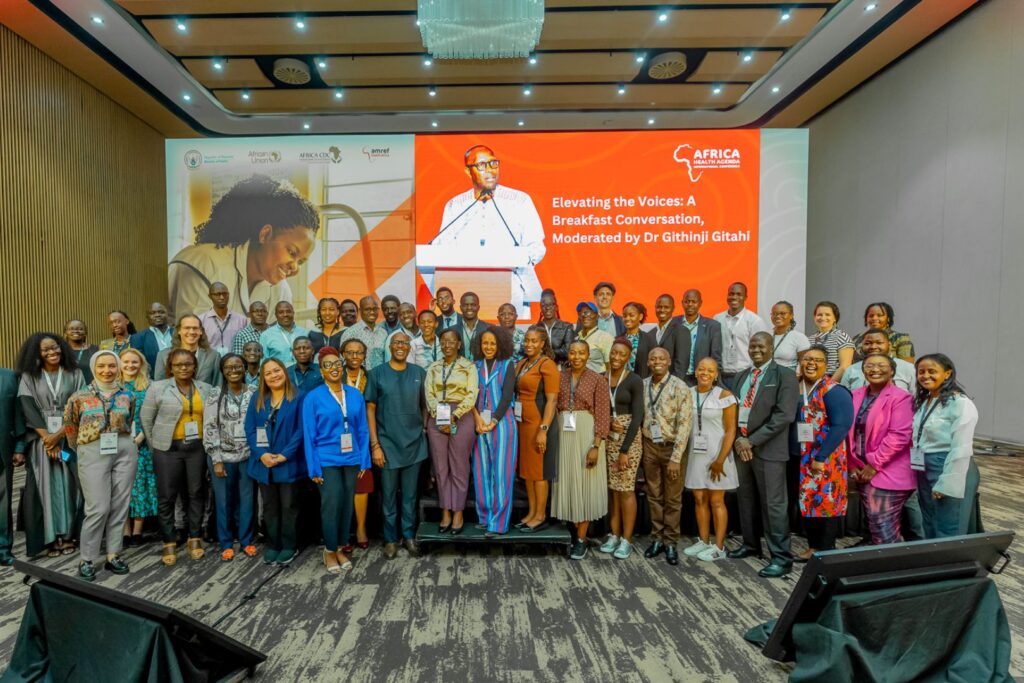
    AHAIC DAY 3: DEMANDING CLIMATE ACTION NOW!

    Health challenges affecting Africa continue to be complex and intertwined. In order to prepare for future health threats, stronger collaboration among African countries, and inclusive leadership are needed ~ Hon. Mohammad Abd El Fattah, Undersecretary for Preventive Affairs – Ministry of Health and Population, Egypt

    Day three of AHAIC 2023 focused on an array of themes with climate change and health interface taking center stage in a series of sessions that included two high-level plenary and 14 parallel sessions. Delegates delved into a range of topics including building climate resilience at the community level, leveraging technology to amplify global health, unlocking the power of public health data and closing the geographic and financial divide to empower African researchers.

    Click HERE to read the full highlights.

    Participants engaged in dialogue that explored both challenges and opportunities for sustainable, unified climate action and investment in health workers, with the general consensus being that Africa can – and must – do more to elevate the voices of those working to protect both people and planet and move beyond talk to action.

    Climate change adaptation and mitigation featured prominently in a rare meeting between World Health Organization (WHO) and the private sector – including Pharmaceutical companies, where the need for collective effort in adaptation, and mitigation were discussed. Decarbonizing health system through measures such as proper waste management and industry approach must be prioritized. In other considerations, the need for pharmaceutical manufacturing, genomic data, and harmonized regulatory frameworks were recognized as critical in creating strong mechanisms for pandemic preparedness.

    Key takeaways from the day’s sessions:

    • The need for private sector involvement at the beginning of pandemics in creating frameworks, policies and response mechanisms rather than during and after the pandemic.
    • Building infrastructure that can help with early warning systems, labs and strengthening health systems during pandemics requires heavy investment. The huge time gaps between pandemics creates a diminishing capacity discouraging investment.
    • Sustainable health financing for Africa requires a multi-sectoral approach and collaboration between government and non-state actors to ensure a comprehensive budgeting process, as well as systems that hold government accountable for the commitments made at regional and global forums.
    • The climate change and health challenges facing our continent require that we seek evidence and develop compelling arguments for advocacy on behalf of vulnerable communities. Our response to climate change must also take into account the needs of women and youth, not as token participants in discussions, but as active designers and implementers of health and climate policies.
    • We need long-term and flexible financing to support our health workforce. For effective response to health emergencies, Africa must focus on building multidisciplinary, interoperable and deployable teams across the continent.
    • It is time for Africa to set its own health research and development agenda, mobilize local resources for research funding and take greater leadership in research studies that respond to the needs of Africans.
    • Technology is a tremendous enabler of positive health outcomes. But for it to help strengthen the continent’s health systems, African countries require deeper and more meaningful collaboration between the technology sector, healthcare workers, policymakers and communities.