
“We have to move quickly to strengthen fragile health systems,” says Amref director
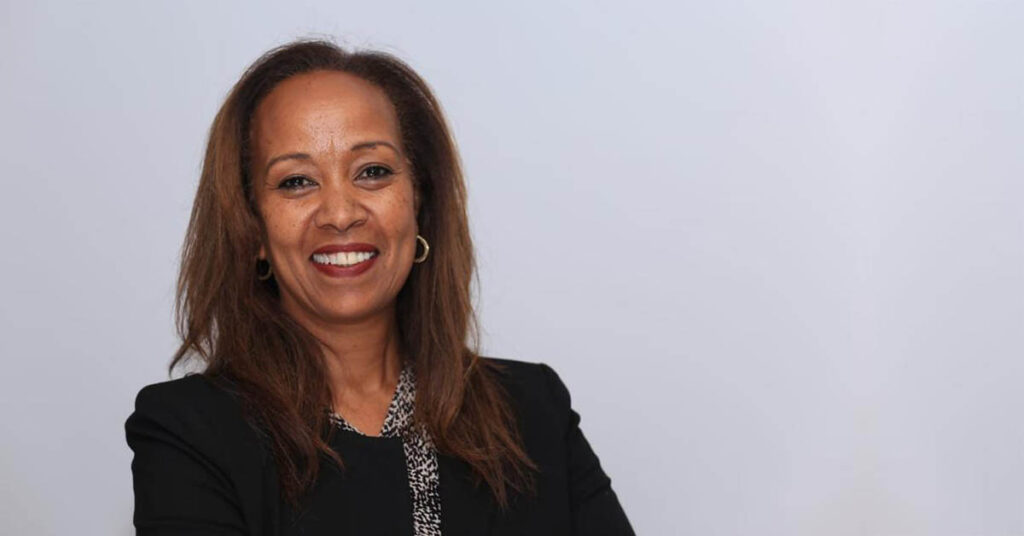
At #AHAIC2023, Africa’s leaders will talk about climate change and how to build resilient health systems. Amref Health Africa’s Desta Lakew talks about the key issues. There is an undeniable link between health and climate change, and Africa is especially vulnerable. For example, coastal waters have become more suitable for the transmission of Vibrio pathogens, according to the 2022 Lancet Countdown on health and climate change. The report compares the period of 2012 to 2021 with a similar span a half century earlier: 1951 to 1960. Researchers found that the number of months suitable for malaria transmission increased by 13·8% in the highland areas of Africa, while the likelihood of dengue transmission increased by 12%. More recently, the COVID-19 pandemic precipitated decline of already struggling health systems. Recently, I spoke with one of our Amref colleagues about the correlations between climate change and health. Desta Lakew is Group Partnership and External Affairs Director for Amref Health Africa — which is leading the upcoming Africa Health Agenda International Conference (AHAIC) in Kigali, Rwanda, from March 5 to 8. The theme for this year’s AHAIC is “Resilient Health Systems for Africa: Re-envisioning the Future Now.” What are the major challenges you see facing healthcare systems in Africa? Africa’s health systems face a myriad of challenges. These include longstanding ones such as inadequate infrastructure and financing, insufficient health workforce and a high infectious and non-communicable disease burden, as well as the more recent climate-related health crises like rising food insecurity, frequent outbreaks of diseases such as malaria, monkeypox and Ebola and limited access to clean water and sanitation. Since we held the first AHAIC in 2014, we have seen a significant increase in the number of climate and health emergencies recorded on the continent and survived a global pandemic that threatened to completely decimate our fragile health systems. In that time we have also seen the establishment of the African Medicines Agency (AMA), the achievement of autonomy for the African Centres of Disease Control and Prevention (Africa CDC), capacity building for vaccine manufacturing in Africa and growing regional cooperation, all of which point to our potential to surmount these challenges — no matter how daunting they seem. Are there major steps forwards that you’d like to see actualized in the near future, for building resilient healthcare systems in Africa? The past few years have shown us that strong and resilient health systems are critical for our continent to ensure equitable access to health for our people. This year’s conference theme is a call to action to guide what we feel needs to be done to move united in our purpose to strengthen Africa’s health systems and ready ourselves for the future now. Perhaps one of the crucial steps towards achieving this is strengthening regional cooperation and speaking in one voice. We need to leverage our diversity and strengths to come up with sustainable, inclusive, equitable health policies for Africa by Africa while at the same time acknowledging that we have no time to waste if we are to recalibrate the course of climate change and health on the continent. It is time for us to move beyond the same rhetoric we have heard for the past few years and commit to action. The conference program is an ambitious one. What are you most looking forward to discussing at AHAIC 2023? We are very excited about all of the conversations that will be taking place. However, what makes me super excited is an area that we have not seen adequately addressed, which is the intersection of climate change and health. This is such a critical and timely issue for us, and based on our experience and the ominous projections of the impact of climate change in Africa’s health outcomes, this could not have come at a more important time. We have to move quickly to strengthen fragile health systems through greater regional and global cooperation, scaling up health financing in the midst of economic crises, bridging the global north-south divide, building a fit-for-purpose African health workforce, and tapping into the power of communities to drive innovation and solidify ownership of Africa’s health agenda. Amref has long been a champion of enhanced regional cooperation, and this conference offers us — and our partners — a platform to bring Africa’s leaders across all levels to find a means to achieving the goal of a united, prosperous, healthy continent. We are also very excited to be the first global health conference held in Africa that is seeking to mainstream climate into health talks and vice versa. With mounting evidence on the strong linkages between the two, we believe that the only way to tackle these intertwined challenges is to address them together, and AHAIC will be the first convening of its kind to focus on climate change as a key determinant of health. Is there a call to action — or hope for the future — you’d like to share with readers? There is the saying that “insanity is doing the same thing over and over and expecting different results.” My call to action is that we as leaders of this continent, advocates for our people, re-think how we work in partnership and across sectors to own our narrative, leverage opportunities for collective action and ensure that we work find tangible solutions for improving the health of our continent. This means alignment, prioritization and responsible investment in our health systems. Everyone can use their voices and platforms to bring attention to the issues that truly matter — the collective health and wellbeing of both people and planet being one of them — and to actively participate in discourse and action that will bring us closer to creating the world we want for ourselves and future generations.
Placing Women At The Centre Of Health Leadership In Africa Key To Achieving UHC

Author(s): Dr. Norah Obudho, Health Integration and East Africa Director, WomenLift Health; Dr. Florence Temu, Country Director, Amref Health Africa in Tanzania Over a decade ago, Pan African Parliament Women’s Conference President, Mavis Matladi of South Africa, declared that it was “more dangerous to be a woman than a soldier” in Africa. In that time much has changed, but at the same time, too much has remained the same. While women and girls now have more access to education and economic opportunities and are better represented in politics and other spheres of leadership, they remain the most vulnerable to the impacts of disease outbreaks, fragile health systems, conflict, domestic abuse, economic instability, and climate change. African women and girls for example still account for about 66 per cent of global maternal mortality rates and are twice as likely as boys to miss out on formal education. Additionally, approximately 63 per cent of the world’s extremely poor women live in Sub-Saharan Africa, limiting their ability to access essential health services and pushing the continent further away from achieving its health targets. Much of this has been driven by sociocultural norms skewed towards enforcing patriarchal structures that have traditionally subdued women and denied them access to the same rights as men. The same structures have also perpetuated the gender inequities that keep women from attaining leadership positions, which are often assumed to be reserved for men despite the presence of numerous, qualified women on the continent. Consequently, decisions in health are frequently made without women’s input, even when the issues at hand directly affect them, as with maternal and reproductive health. While it would be unfair and simplistic to blame one gender for the loss of millions of lives due to infectious and non-communicable diseases, poor quality health services, and lack of access to essential care, there is a direct correlation between Africa’s health outcomes and its health leadership. Considering the majority of positions in health leadership are occupied by men, and that nearly all decisions affecting the resilience and responsiveness of our health systems are made by men, one could then rightly say that Africa’s homogenous health leadership has been – and continues to be – a key determinant in the continent’s (in)ability to achieve health for all. Now, as we stand at the midway point of the Sustainable Development Goals 2030 target, it would benefit us to have candid conversations about leadership and the role it plays in either bringing us closer to the goals or taking us further away from them. The simple truth is that leadership that is not representative of the people it serves, be this across racial, gender, or socio-economic lines, will not and cannot address the challenges preventing us from ensuring the highest attainable level of health for all. We need to reimagine the face of health leadership if we are to rebuild our health systems and equip them to move towards and sustain universal health coverage (UHC). By placing the needs of women at the centre of health system design and delivery and elevating our voices in health, we can unlock gender equity at the leadership level and add impetus to Africa’s journey towards UHC. In doing so, we would also allow women to not only be consumers of health services but to be the leaders that our health systems need if they are to meet our needs and withstand future health shocks. This is not to discount the contribution of male leadership. It’s simply to say that there is a need for balanced representation in leadership to include women and other minority groups. By excluding key groups in decision-making, we fail to benefit from the knowledge and wisdom provided by their lived experiences. For it is only those who feel the weight of the burdens they bear that can help create solutions to those burdens. Achieving health for all is within reach, but it requires a seismic shift in leadership to create and implement uniquely African solutions to the challenges we face on this continent. If more governments embrace the role of women and girls as leaders and bring them to decision-making tables, we can come closer to achieving UHC. Africa is ripe for this change. It is indeed exciting to see this agenda being driven by development leaders such as Amref Health Africa through their upcoming Africa Health Agenda International Conference, which will provide a platform for discussions on gender equity, health leadership, and the role of women in health. By strengthening male allyship, engaging women at all levels, and working together to promote inclusive leadership that considers the needs of the most vulnerable among us, we can achieve the goals that have been for far too long eluded us. In accomplishing this we can make Africa a continent where women and girls do not simply try to survive, but where they thrive – in every sense of the word – alongside men and boys. Article first published on https://www.africa.com/placing-women-at-the-centre-of-health-leadership-in-africa-key-to-achieving-uhc/